

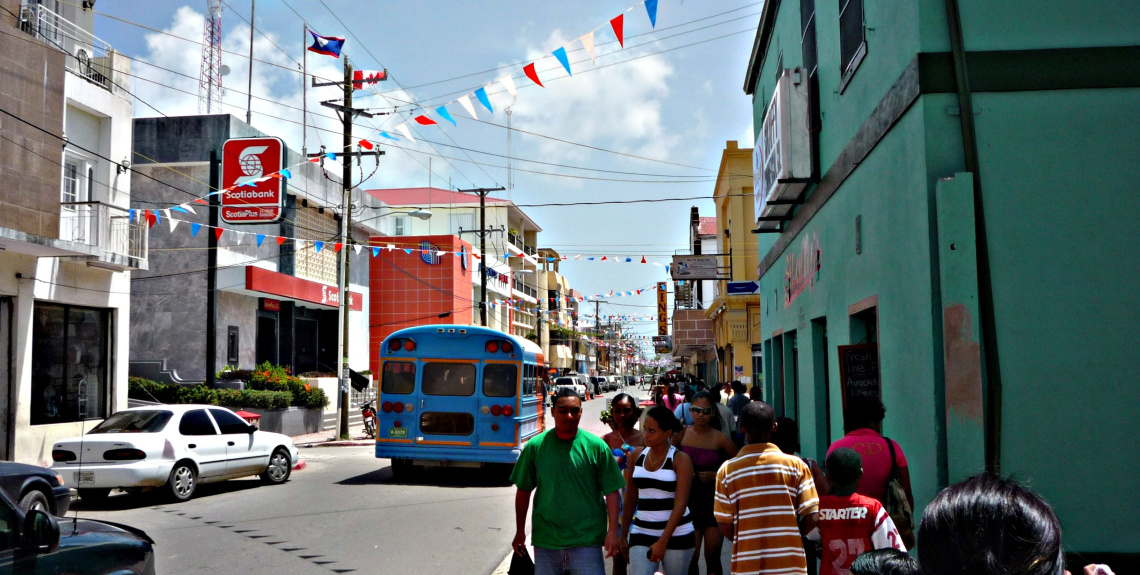
Local and regional governments play an indispensable role in championing, upholding, and honoring human rights within their communities. Mayor Bernard Wagner and the Belize City Council recognize the fundamental significance of human rights as guiding principles that underpin the essence of a just, equitable, and inclusive society.
Human rights are not abstract ideals but tangible values that resonate deeply within our community fabric. At the local level, they serve as a powerful compass, guiding our actions, policies, and initiatives toward fostering a society that prioritizes dignity, equality, and fairness for all.
One of the foremost reasons why local and regional governments are pivotal in promoting human rights is their closeness to the people. They are at the forefront, intimately connected with the everyday lives, concerns, and needs of their constituents. This proximity allows for a nuanced understanding of the challenges faced by diverse communities, enabling tailored solutions that safeguard and promote human rights effectively.
In Belize City, as in many local communities worldwide, the impact of policies and initiatives on human rights is most palpable. Decisions made at the local level, such as urban planning, housing policies, access to healthcare, education, and social services, profoundly influence the daily lives and rights of individuals. Mayor Wagner and the Belize City Council are committed to ensuring that these decisions align with human rights principles, prioritizing inclusivity, accessibility, and non-discrimination.
Moreover, human rights serve as an invaluable framework guiding local actions by providing a set of universal standards. They offer a common language and set of values that transcend cultural, social, and political differences, allowing for a cohesive and principled approach to governance. By embracing human rights as a guiding framework, the Belize City Council ensures that its actions are rooted in principles of fairness, justice, and accountability.
At the heart of this commitment lies the recognition that human rights are not just legal obligations but moral imperatives. They empower marginalized communities, protect vulnerable individuals, and promote social cohesion. For instance, initiatives focusing on housing, sanitation, and access to clean water directly impact the right to a decent standard of living, ensuring that no one is left behind.
Furthermore, the application of human rights standards facilitates transparency and accountability in governance. It fosters citizen participation, encouraging dialogue, and engagement between the government and its people. Mayor Wagner and the Belize City Council recognize the importance of open dialogue and consultation with citizens in decision-making processes, ensuring that policies reflect the genuine needs and aspirations of the community.
In conclusion, Mayor Bernard Wagner and the Belize City Council firmly believe that local and regional governments are essential pillars in promoting, fulfilling, and respecting human rights. Human rights serve as meaningful values and an indispensable framework guiding local action, fostering inclusive, just, and equitable societies. By embracing these principles, the Belize City Council strives to create a city where the dignity and rights of every individual are upheld and celebrated.
Belize City embraces the imperative to join the Global Campaign led by UCLG's Committee on Social Inclusion, Participatory Democracy, and Human Rights. Our commitment to this campaign stems from our belief in the intrinsic value of human rights and their pivotal role in fostering inclusive, equitable, and just communities.
As a vibrant city deeply rooted in diversity, we recognize that promoting human rights transcends boundaries and resonates with the core values of our society. By joining this global movement, Belize City aims to stand in solidarity with 1000 Local and Regional Governments worldwide, collectively amplifying our efforts to nurture Human Rights Cities and Territories.
Through active participation in this campaign, Belize City seeks to contribute to a shared vision where human rights serve as guiding principles in governance, policymaking, and community development. Together, united in this endeavor, we strive to create an environment where the rights and dignity of every individual are not just respected but celebrated. Joining this global movement reaffirms our unwavering dedication to fostering a city where human rights are at the forefront of our collective consciousness, shaping our actions and aspirations for a brighter, more inclusive future.
-
Accountability and Transparency: We've established regular town hall meetings and public forums where citizens actively engage with council members to discuss policies, voice concerns, and ensure transparent decision-making processes. Additionally, we've implemented open data initiatives, providing easy access to budgetary information and council proceedings for greater accountability.
-
Climate and Environment: Our city is actively engaged in climate action through programs focusing on waste management, promoting green public transportation systems, and fostering green spaces within urban areas. We are working to enhance resilience to climate change and reduce our ecological footprint through tree-planting drives and sustainable development projects.
-
Youth and Education: Belize City Council has spearheaded youth mentorship programs, including the Youth Shadow Council initiative, vocational training workshops, scholarship initiatives to empower young people and the establishment of a Youth Connect Centre at City Hall. We are committed to creating safe spaces for children and youth, promoting their participation in decision-making processes that impact their future.
These actions, alongside ongoing efforts, underscore our dedication to fostering a community that upholds the rights of all individuals, including marginalized groups. We continually strive to ensure the right to education, advocate for women's empowerment, and actively include marginalized communities in our policy and program development.